
Aurora City Council is set to vote on a resolution that would put an indefinite pause on new data center developments Monday night. If approved, it would take effect immediately.
Denver7 has heard from residents concerned about the impact of one proposed project in their neighborhoods, the Trident data center. It would span nearly 900,000 square feet near East 38th and E-470.
Vantage, the developer behind the Trident project, is now exploring other potential locations because of community pushback.
Ray Czaplewski, who lives near the proposed Trident data center site, said he was surprised to learn just how close the project would be to his Green Valley Ranch neighborhood.
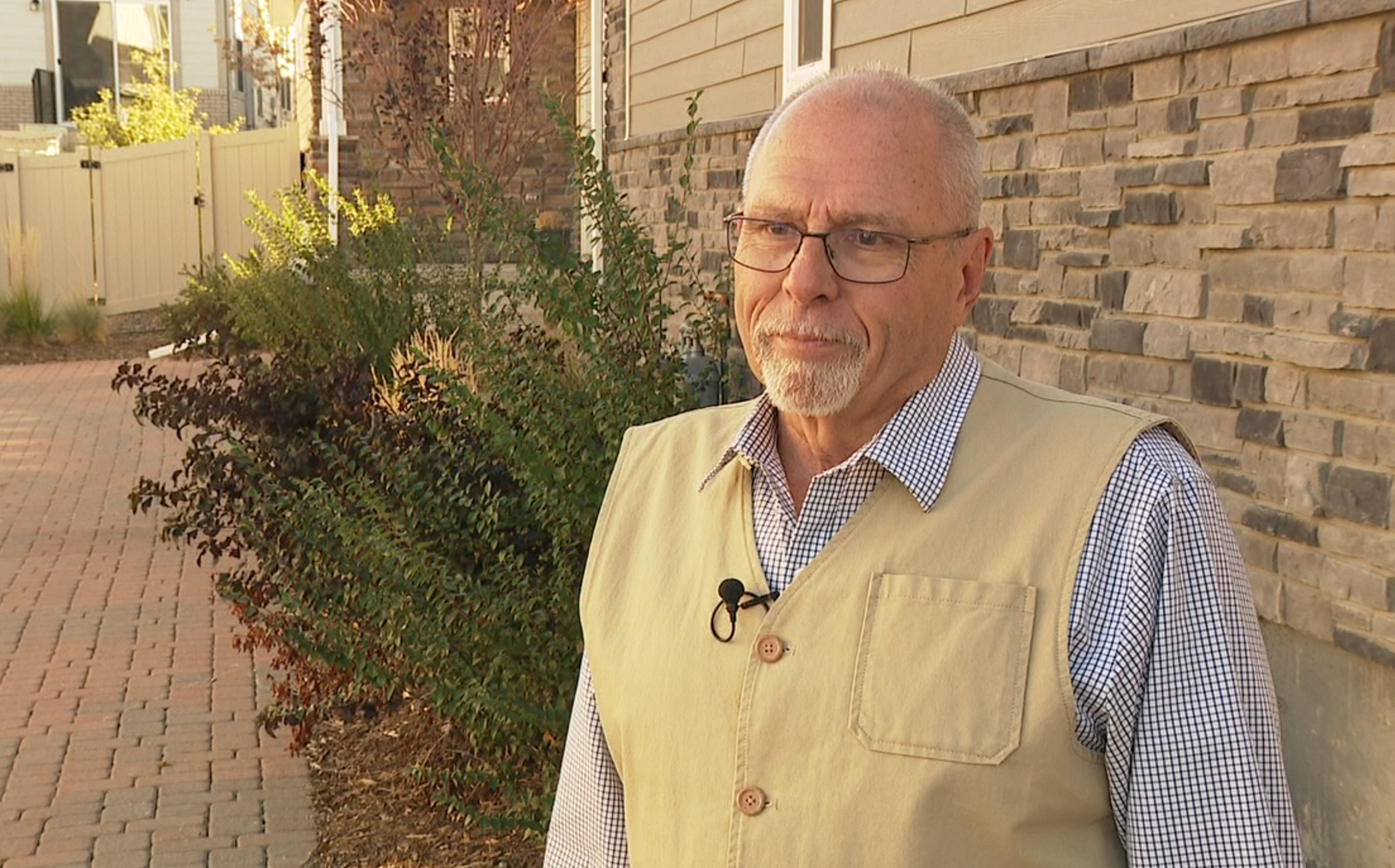
He added that hes encouraged by the citys response and developer's willingness to consider other locations.
I was pleasantly surprised. I think they finally started hearing the voices of the of the communities they planned to affect. I'm really glad they're starting to look at more suitable locations for this massive data center, Aurora resident Ray Czaplewski said.
Czaplewski told Denver7 what he thinks should be looked into when it comes to future data center development.
There may be some opportunities here. I'm just hoping that our current leaders can come together and manage this system much better. What if we had some kind of campus designed for these kind of hyperscale data centers, Czaplewski said.
If the moratorium passes, it wouldn't affect projects like Trident that are already in the works.
People in the data center industry said an indefinite moratorium could have economic consequences, including lost investment, jobs and tax revenue.
Moratoriums ultimately send a signal that the community is closed for data center development, so all those jobs, all that tax revenue, they move to other communities, said Dan Diorio, Data Center Coalition state policy and government affairs executive vice president.

Diorio told Denver7 there is strong demand for data centers.
The average household has 21 connected devices. When you start to add them up, it's laptops, its phones, its watches, multiple smart TVs, doorbells, thermostats, garage doors and lights. All of that requires robust digital infrastructure. That's what's driving data center growth, Diorio said.
The Data Center Coalition said these projects can support thousands of construction jobs, along with permanent jobs and local businesses.
Still, the coalition acknowledges communities have legitimate questions about where these facilities should be built, especially when theyre close to homes and schools.
I think what it reflects is trying to be responsive to community concerns and recognize that opportunities elsewhere may present a better outcome and a more productive outcome, Diorio said.
Denver7 asked Diorio what areas could be next for data centers like Trident.
I think looking for those pre-industrial zoned areas, looking where there is additional spaces and buffers between any other kinds of uses, and trying to find that right balance for that, Diorio said.
Monday nights vote comes as Aurora Council member Amy Wiles is also proposing new limits on how close data centers can be to homes. That proposal is separate from Monday nights moratorium vote.
Denver7's morning anchor sat down with Aurora Mayor Mike Coffman about a big change of position on the issue ahead of Monday night's vote.
Over the summer, city council rejected a six-month moratorium and the mayor was the tie-breaking vote. Now, the mayor is coming out in support of an indefinite moratorium. Denver7 asked the mayor about the change in position.
"Before I felt that well, it's OK, we can go ahead, we we don't need a moratorium," Coffman said. "We'll just go ahead with the regulations. Then when I saw Trident, I thought wow, if I don't want to see any more of those and I don't want to see from the time that we begin debate, and by the time that we enact these regulations, I don't want to see more data center applications come through that are subject under current law, current regulations, which are inadequate."
The mayor said he is not saying no to data centers but wants to be smarter moving forward. Coffman said a third of the city is undeveloped, so there are better spots for this kind of development. He hopes if the moratorium passes, it is short-lived, which means they've found a middle ground to move forward.
As for the proposed Trident project, since the developers, Vantage, are exploring new locations, they've asked the city to pause any new rules for 90 days. The mayor said it's not necessary because the city would amend their application, so Vantage wouldn't have to start over.


